Overview
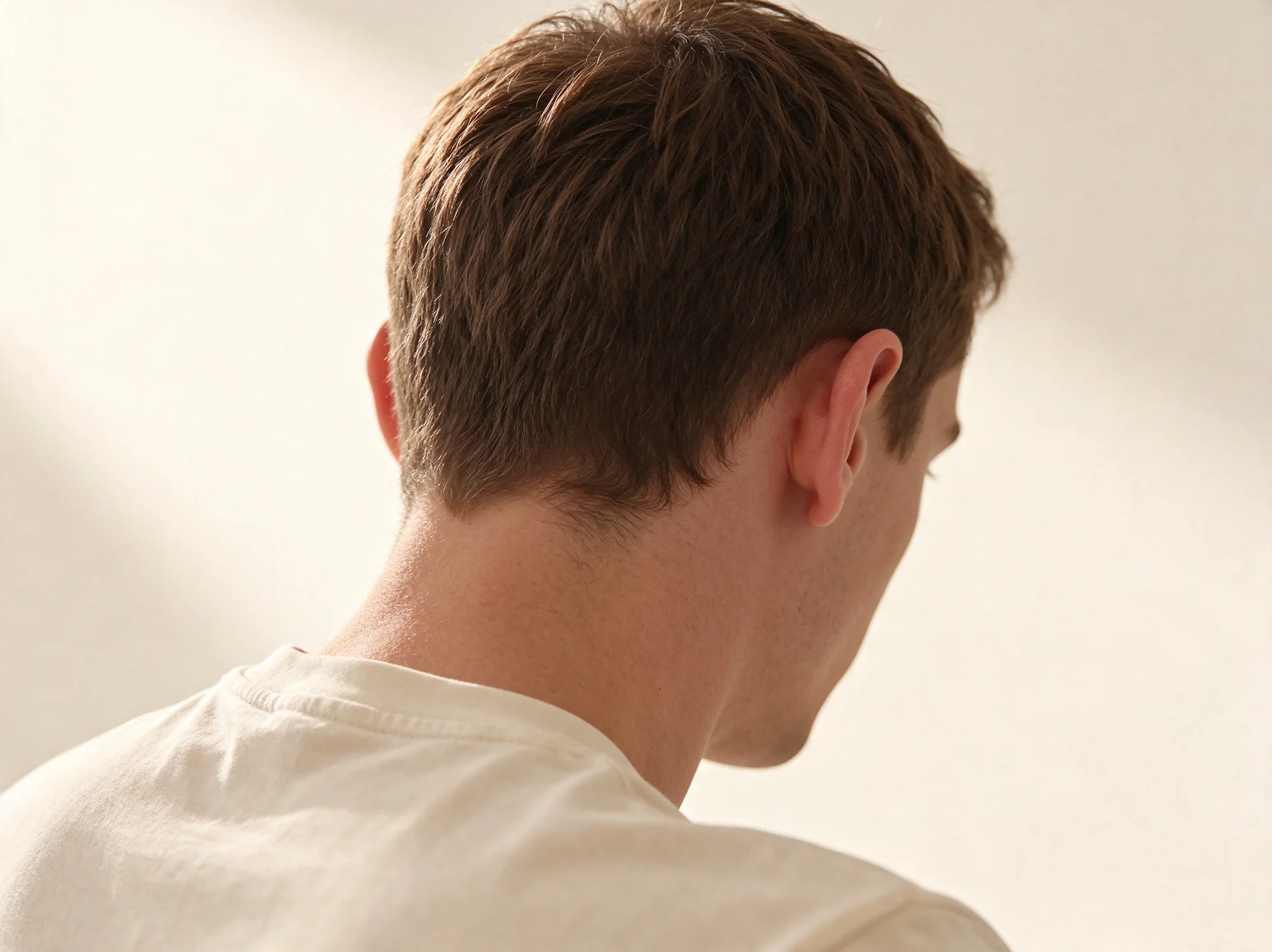
Otoplasty reshapes the ear cartilage through an incision hidden behind the ear, so that prominent ears sit closer to the head. The natural fold of the ear can be recreated where it is under-developed.
Who it may suit
- Adults bothered by prominent ears
- People with one ear that sticks out more than the other
Options
- Cartilage-sparing (suture) otoplasty
- Cartilage-scoring or shaping otoplasty
- Correction of one or both ears
- Local anaesthetic in most adults
Consultation
Ear shape, cartilage stiffness and symmetry are assessed.
Preparation
- Plan to wear a protective headband afterwards
- Stop smoking
- Arrange a few days away from work or school
Recovery
A head dressing is worn for around a week, then a headband at night for several weeks. Contact sports are avoided for about six weeks.
Risks and complications
All surgery carries risk. Possible complications include:
- Bleeding or haematoma
- Infection
- Visible or raised scarring
- Asymmetry
- Changes in sensation
- Need for further surgery
- Anaesthetic risks
- Recurrence of prominence
- Stitch problems behind the ear
- Contour irregularity or over-correction
- Haematoma of the ear
- Raised or keloid scar behind the ear
Your individual risks will be discussed in detail, and you will be asked to give written informed consent.
Alternatives
- Observation
- Ear moulding in newborns (specialist referral)
Guide price
| Otoplasty (both ears) | £3,495 |
Guide prices only. Your final price is confirmed in writing after consultation and depends on your individual plan.
Questions
Where is the scar?
In the crease behind the ear, where it is not usually visible.